Towing West Palm Beach
Are you in need of a towing west palm beach right now? Just tap the green call button on the bottom of this page Or CLICK HERE and we will be there in a jiffy. We guarantee the most affordable, reliable and fastest towing service in and around West Palm beach.
Call us now at (561) 264-2102
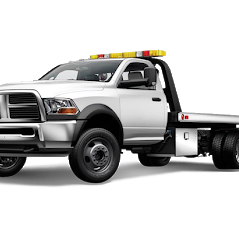
It always sucks to break down on the side of the road or highway. Especially in this West Palm Beach heat. No one ever wakes up thinking or planning to have their car towed it just happens that way.
But Good news for you! We have a tow truck and a friendly experienced driver on call 24/7, ready to handle and assist people like you in these type of emergency situations so call us and we’ll be there faster than Speedy Gonzales.
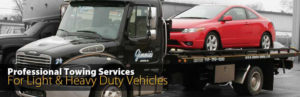
Towing Company West Palm Beach
Towing Company West Palm Beach offers the top rated towing Services including, Transportation and Roadside Assistance services all over Palm Beach and Broward Counties. We started as a tiny business in suburbs of West Palm Beach. Months went by and over the years, we hired more and more independent specialists to cover more areas.
Later during the decade we have become to a very familiar company in the West Palm Beach Area because of our expertise, reliable service, and prices and the excellent customer satisfaction. We employ only the best technicians and most experienced drivers. who are ready for you at any moment, in any provided circumstances.
Call West Palm Beach Towing Company at (561)264-2102 for a free quotes and estimates.
We here at West Palm Beach Towing Company, provide the following services:
- Towing to repair shop or where you need it
- Road Side Assistance
- Unlock your door
- Flat Tire Service
- Fuel Delivery
- Also we do Long haul towing
- Junk Car Removal
- Electric Vehicle Towing (EV towing)
- Flatbed towing
- Motorcycle towing
- Light duty truck towing
- Car towing
- Wheel lifts
- Low-clearance towing
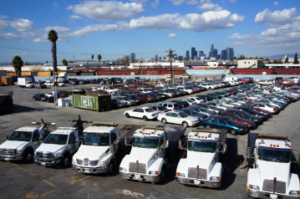
Palm Beach County Towing Why Choose Us?
- Towing and Roadside Service
- 24/7 emergency Roadside Assistance
- Friendly and experienced technicians
- Licensed, bonded and insured
- 100% reliable staff
West Palm Beach Towing has been around since 1995. Meaning that you can be sure that all of our technicians are trained and licensed and very experienced and very well equipped to handle any problem no job is to big or small.
Give us a call, Our technicians are on stand by waiting to help you out and get you out of harms way.
Call now AT (561) 264-2102